
Pancreatic Cancer Nutrition – What to Eat During and After Treatment
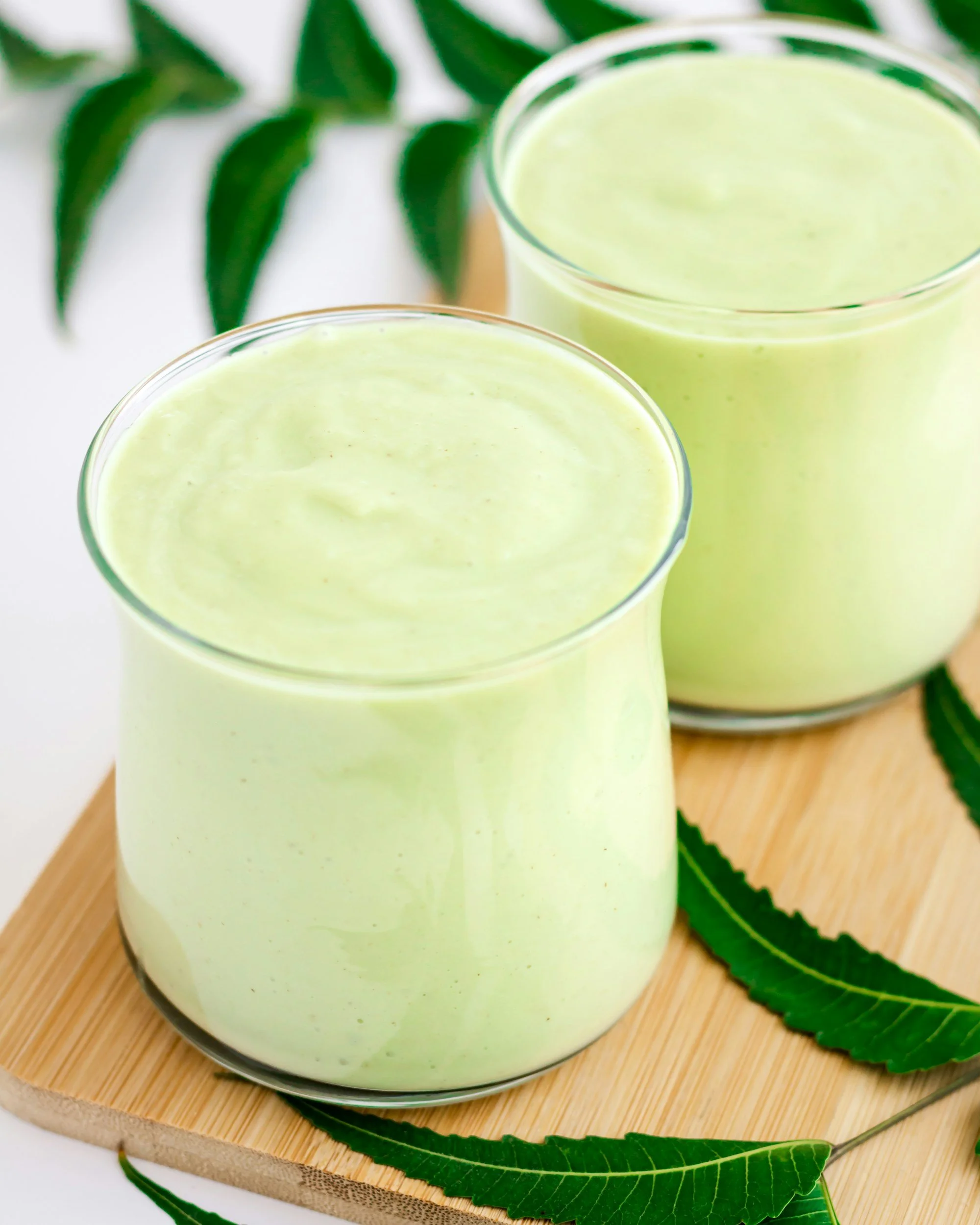
Eating feels harder than ever—and yet more important than ever.
If you’re navigating life with a diagnosis of Pancreatic Cancer—whether you’re in treatment or figuring out “what’s next”—you’ve probably noticed big shifts in appetite, digestion, and energy. The pancreas helps digest food and regulate nutrients, so when it’s affected by cancer or treatment, eating can feel confusing and exhausting.
Here’s the good news: you don’t have to guess your way through this. This guide will walk you through what to eat, what to avoid, and how to get the nutrients you need—even when appetite is low or digestion feels off.
We’ll cover:
Common symptoms that affect eating (like nausea, bloating, or early fullness)
Foods and nutrition strategies that help support your pancreas
Practical meal and snack ideas
When to ask for professional help so your nutrition plan actually works for you
You’ve already done the hard part by showing up. Let’s make eating work for you now.
Why Nutrition Is So Important with Pancreatic Cancer
When your pancreas isn’t working at full strength, eating isn’t just about calories — it’s about strength, healing, and energy.
The pancreas has two big jobs:
1️⃣ Digestive enzyme production – Breaks down fats, proteins, and carbohydrates so nutrients can be absorbed.
2️⃣ Insulin production – Regulates blood sugar and energy levels.
When these functions are disrupted, food isn’t absorbed properly. That’s why you might notice bloating, gas, greasy stools, or unintentional weight loss — all signs your body isn’t getting what it needs.
Malnutrition affects up to 80–90% of people with pancreatic cancer and can impact strength, immunity, and treatment tolerance. Addressing nutrition early helps your body respond better to therapy (treatments) and maintain quality of life.
Proper nutrition can help you:
Maintain muscle and energy
Support immune and wound healing
Improve treatment tolerance
Keep blood sugar steadier
If you’re struggling with appetite, weight loss, or digestive changes, know there are solutions—from enzyme therapy to strategic meal planning.
👉 Explore: How my clients prevent weight loss or What to Eat When You’re Not Hungry During Cancer
Common Nutrition Challenges with Pancreatic Cancer
If eating feels like a struggle, you’re not imagining it. Pancreatic cancer and its treatments disrupt digestion, absorption, and blood sugar control. Understanding why helps you and your care team find solutions.
Poor appetite
Side effects, early fullness, and fatigue can make eating feel impossible. Focus on small, frequent meals and calorie-dense foods like smoothies, nut butters, or yogurt.
Nausea or early fullness
Chemo, meds, or slow digestion can make portions tough to tolerate. Eat slowly, separate fluids from meals, and keep simple snacks on hand. The Chemo Nausea Prep Kit is an excellent resource to build a plan that addresses nausea before it takes over.
Diarrhea or steatorrhea (fatty stools)
If your pancreas isn’t making enough enzymes, fat may pass undigested, causing oily or floating stools. Pancreatic enzyme replacement therapy (PERT) can help you actually absorb what you eat.
Blood sugar swings
Because the pancreas regulates insulin, blood sugars can fluctuate more easily. Pair carbs with protein or fat and eat regularly throughout the day to prevent crashes.
Unintentional weight and muscle loss
Weight loss can happen quickly when appetite and digestion are off. Prioritize protein, add calorie boosters like olive oil or avocado, and reach out for help if the scale keeps dropping.
If you don’t already have a dietitian on your team… you know who to call 😉 Apply to Work Together
Early support matters.
Best Foods for Pancreatic Cancer Patients
When your body is working overtime, food needs to work for you. This isn’t about a rigid “pancreatic cancer diet” — it’s about choosing nutrient-dense, gentle foods your body can handle.
High-calorie, high-protein foods
Protein and calories help maintain muscle and energy. Try eggs, Greek yogurt, nut butters, lentils, or smoothies with milk or protein powder. Add olive oil, avocado, or ground flaxseed for extra calories.
Cooked vegetables and soft starches
Skip the raw salads if they’re tough to tolerate. Soft, cooked veggies like sweet potatoes, rice, carrots, or zucchini are easier to digest and still packed with nutrients.
Hydrating, small, frequent meals
Soups, broths, and smoothies help you stay nourished and hydrated when appetite is low. Eat smaller portions every few hours instead of large meals — grazing often feels gentler.
Low-fiber options during flare-ups
If bloating or diarrhea strike, temporarily lower fiber by choosing refined grains, peeled fruits, and cooked veggies until symptoms calm.
💡 Need ideas? Low appetite easy meals — simple, gentle options that still meet your body’s needs.
Do You Need Pancreatic Enzymes?
Many people with pancreatic cancer benefit from taking digestive enzymes — and it’s one of the most underused tools for feeling better.
The pancreas produces enzymes that help break down fat, protein, and carbs. When it’s not making enough — called exocrine pancreatic insufficiency (EPI) — your body can’t absorb nutrients properly.
Signs you might need pancreatic enzymes (PERT):
Oily or floating stools
Frequent bloating or gas
Unintentional weight loss despite eating
Visible undigested food in stool
PERT isn’t a sign of failure — it’s replacing what your pancreas can’t make. Talk with your oncology or GI team about dosage, as enzymes need to match your meals and snacks.
Foods and Habits to Avoid (or Adjust)
When your pancreas is under stress, what you skip can be just as important as what you eat. This isn’t about restriction — it’s about setting your body up to use nutrients efficiently.
High-fat, fried foods
Hard to digest without enough enzymes, these can cause cramping or oily stools. Choose gentler fats like olive oil, nut butters, avocado, or salmon.
Sugary foods and drinks
If insulin production is low, sugary foods can spike and crash blood sugar. You don’t need to cut them completely, but pair sweets with protein or fat to keep levels stable.
Large meals or skipping meals
Big portions or long gaps between eating can worsen nausea and fatigue. Smaller, consistent meals are easier to handle.
Excess alcohol
Alcohol stresses the pancreas and liver. Many people feel better avoiding it during treatment and early recovery.
Remember: Nutrition after pancreatic cancer isn’t about “can’t haves” — it’s about finding what supports you best.
Tips for Getting Enough Nutrition When You’re Not Hungry
When appetite disappears, eating can feel like a chore — but even small amounts make a big difference.
Eat small meals every 2–3 hours
If full meals feel overwhelming, aim for five to six mini ones.
Pair eating with daily routines to make it easier to remember.
Boost calories and protein
Make every bite count.
Add olive oil to veggies, nut butter to oatmeal, avocado on toast, or use full-fat yogurt.
Blend smoothies with Greek yogurt, milk, and nut butter for a nutrient-dense option.
✨ Pro tip: Choose liquids that nourish — like smoothies, milk, or electrolyte drinks — instead of plain water when appetite is low.
🍓 For inspiration, check out Nutrient Packed Smoothie RecipesandPower Up Your Smoothies
📘 Or Download the Pancreatic Cancer Meal Plan Starter Guide for easy, gentle recipes.
When to Work with a Dietitian for Pancreatic Cancer Nutrition

Sorting through nutrition advice can feel like a second full-time job. A dietitian who gets it can make everything simpler.
You might benefit from one-on-one support if:
You’re losing weight or feeling weaker — Your body’s asking for more support.
You suspect poor digestion or malabsorption — Persistent bloating, gas, or oily stools are signs.
You’re overwhelmed by food fear — A dietitian helps you focus on what truly matters (and eat without guilt).
You want a customized plan for your stage and symptoms — Because no two journeys are the same.
If you’re thinking, “I don’t have a dietitian like that,” good news — you just found one 😉
👉 Book a Discovery Call or Learn About 1:1 Coaching to get personalized guidance for your stage and goals.
FAQs About Nutrition for Pancreatic Cancer
-
This is incredibly common — your stomach and digestion can slow down with pancreatic cancer or treatment. Try smaller, more frequent meals every 2–3 hours, and focus on calorie-dense options like smoothies, yogurt, or nut butter toast. Taking gentle walks after meals can also help food move through more comfortably.
-
Absolutely — in fact, they’re often one of the easiest ways to get calories and protein when appetite is low. Look for options with balanced protein, carbs, and fat (not just sugar). You can also make your own with milk, Greek yogurt, nut butter, and fruit. (Bonus: they double as hydration.)
-
Persistent bloating or loose stools may mean you’re not digesting fat properly. Talk with your care team about pancreatic enzymes (PERT) — they can make a huge difference. Eating smaller portions, limiting high-fat fried foods, and staying hydrated also help ease symptoms.
-
Nope — sugar doesn’t “feed” cancer in the way the internet makes it sound. But if your pancreas isn’t making enough insulin, too much added sugar can cause blood sugar spikes and crashes. The goal isn’t no sugar, it’s smart balance — pair sweets with protein or healthy fat to keep levels steady.
Learn more about Sugar and Cancer.
-
Coffee is generally fine in moderation unless it worsens heartburn or diarrhea. Alcohol, on the other hand, can be irritating to the pancreas and interfere with recovery. If you’re in treatment or healing from surgery, it’s best to avoid it or check with your oncology team first.
Need a Pancreatic Cancer Nutrition Plan That Works for You?
If you take one thing from this guide, let it be this: your body doesn’t need perfection — it needs support.
Pancreatic cancer changes how your body digests, absorbs, and uses food. The goal isn’t to overhaul everything you eat overnight — it’s to find what helps you feel strong, nourished, and steady through every phase of treatment and recovery.
If you’re ready for more structure and support, here’s how I can help:
🥣 1:1 Cancer Nutrition Coaching — Personalized guidance tailored to your specific diagnosis, symptoms, and energy needs. You’ll finally know what (and how) to eat without second-guessing every bite.
🥑 Pancreatic Cancer Starter Meal Plan — A flexible, evidence-based starter plan to help you fuel your body, stabilize blood sugars, and support treatment tolerance — without rigid rules or bland food. Download the Meal Plan for free!
Ready to take the next step? 👉 Book a free discovery call to get support that actually meets you where you are.
Because you deserve to feel nourished, supported, and confident — no matter what stage of cancer care you’re in. 💜

Let’s Connect!
Follow along @wellness.cancer.dietitian
Plus stay in the know by signing up for the Wellness Cancer Dietitian Newsletter 👉 HERE and get updates, support, and special offers delivered right to your inbox!
