
Breast Cancer Foods to Avoid if Estrogen-Positive: What the Research Really Says

After an estrogen-positive diagnosis, you may start to question every food you are eating. You pour your morning coffee and wonder about the creamer. You pick up a block of tofu at the store and put it back. Someone in a Facebook group swears sugar "feeds" your cancer, someone else says dairy is poison, and your aunt just texted you an article about a miracle tea.
I hear this from clients all the time, and it makes complete sense. You were handed a diagnosis with the word "hormone" in it, and food feels like the one thing you can control. The trouble is, most of the advice out there is either way too strict or plain wrong and not backed by evidence.
So let's look at what the research actually shows. We'll cover which foods are worth limiting with estrogen-positive breast cancer, which ones get a bad rap they don't deserve, and how to eat in a way that supports your body without the stress.
The short answer: With estrogen-positive (ER+) breast cancer, the foods most worth limiting are alcohol, heavily processed foods, large amounts of red and processed meat, and unregulated herbal or hormone-related supplements. Whole soy foods, flaxseed, and moderate dairy are generally safe. Your overall eating pattern over months and years matters far more than any single food.
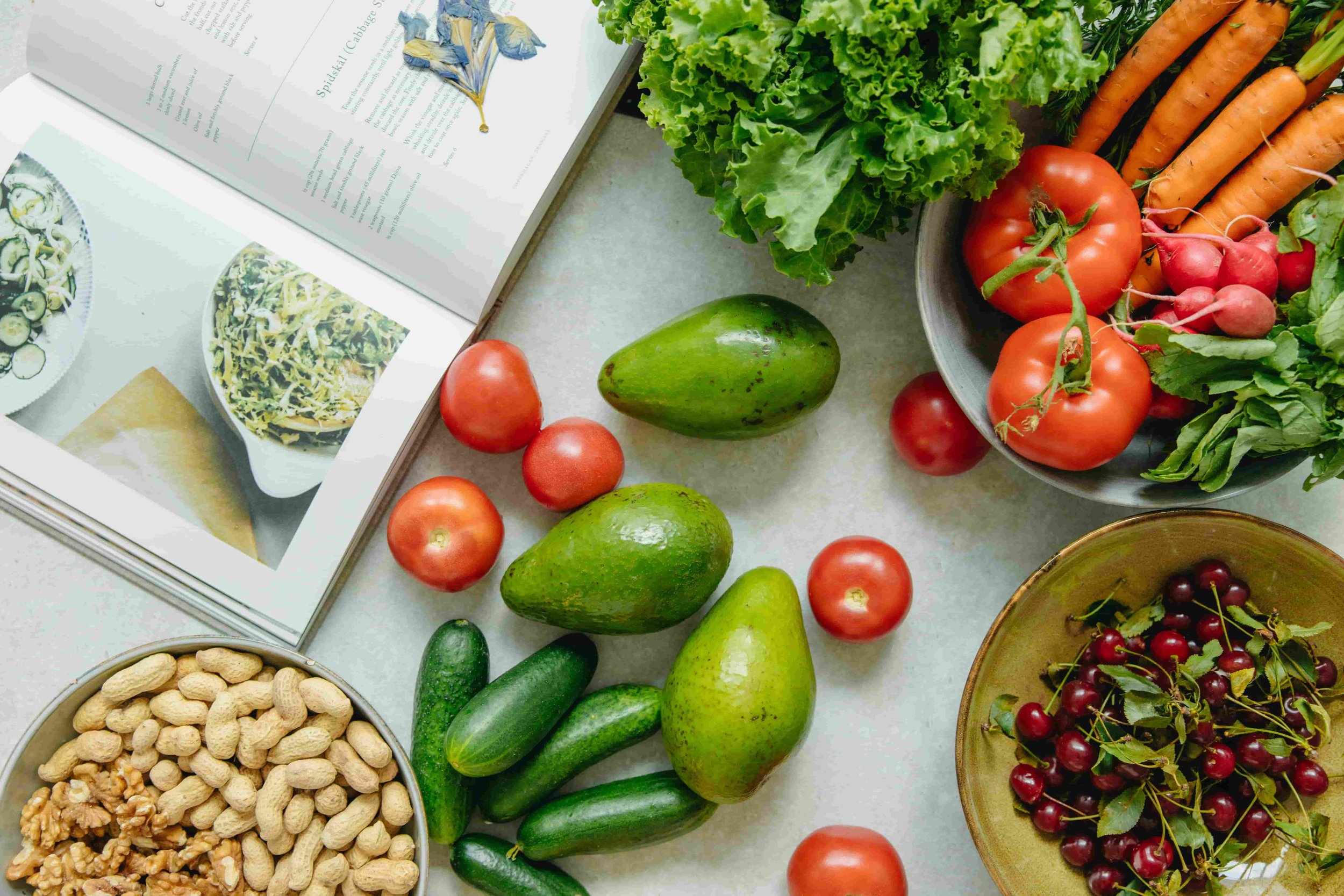
What Does Estrogen Positive Mean When It Comes to Food?
Estrogen positive means the cancer cells have receptors that estrogen can attach to, and that estrogen can help those cells grow. That's why so many ER+ treatments, like tamoxifen or aromatase inhibitors, work by blocking estrogen or lowering how much your body makes.
This is where people understandably get nervous about food. But food doesn't "cause" estrogen-positive cancer, and no single food is going to flood your body with estrogen. What we do know is that certain long-term patterns can nudge hormone levels in one direction or the other. A few examples:
Body fat, especially after menopause. Once your ovaries slow down, fat tissue becomes one of the main places your body makes estrogen. Eating habits that help you keep a weight that feels healthy for you can matter here.
Fiber and your gut. Your body gets rid of used estrogen partly through your digestive tract. Fiber helps carry it out instead of letting it get reabsorbed.
Alcohol. Drinking raises circulating estrogen levels, which is a big part of why it's so strongly tied to breast cancer.
So as we go through this list, think in terms of patterns, not perfection. A slice of birthday cake isn't the issue. What you eat most days over the next several years matters most.

Breast Cancer Foods to Avoid: Estrogen-Positive: Common Recommendations
Here's where the research is strongest, along with what I actually tell my clients.
Alcohol
If I could only talk about one thing on this list, it would be alcohol. The American Institute for Cancer Research found that about 10 grams of alcohol a day (a little less than one standard drink) raises breast cancer risk by 5% before menopause and 9% after menopause. Alcohol raises estrogen levels, and your body turns it into a compound called acetaldehyde, which can damage cells.
What I recommend: Less is better, and none is best for cancer risk. If you do drink, keep it to one drink or less per day, and ideally not every day. If you love a glass of wine on a Friday night, you don't have to give it up forever. It's more about keeping it occasional than stressing over a single glass.
Highly Processed Foods
Think packaged snack cakes, sugary cereals, fast food, chips, frozen meals, and soda. A large French study published in the BMJ (NutriNet-Santé) found that when ultra-processed foods made up a bigger share of someone's diet, their breast cancer risk went up too.
We don't think one ingredient is behind this. These foods tend to be low in fiber, high in added sugar and refined oils, and easy to overeat. Over time, that pattern affects weight, blood sugar, insulin, and inflammation, and all of those are tied to recurrence risk.
What I recommend: You don't need to empty your pantry. Aim to build most of your meals from foods that look pretty close to how they came out of the ground, and let the processed stuff fill in the gaps on busy days.
High Saturated Fat Animal Products (in Excess)
Processed meats like bacon, sausage, hot dogs, and deli meat are classified as known carcinogens, and red meat as a probable one. Most of that evidence comes from colorectal cancer, and the link to breast cancer is less clear. Still, eating a lot of red and processed meat often comes with more saturated fat and less fiber, which isn't the pattern we want.
What I recommend: Keep processed meats occasional. Choose leaner cuts when you have red meat, and aim for a plant-forward plate most of the time, with fish, poultry, beans, lentils, and soy foods doing more of the heavy lifting for protein.
Unregulated Herbal Supplements (Phytoestrogens)
This is the one I worry about most, because it's where people get hurt trying to do the right thing. Soy isoflavone pills, red clover, black cohosh, dong quai, and many "hormone balancing" or menopause blends haven't been well studied in people with ER+ breast cancer. Supplements also aren't tested for purity or dose before they hit the shelf, so what's on the label isn't always what's in the bottle. Some herbs can also interact with treatments like tamoxifen.
What I recommend: Before you start any supplement, run it by your oncologist and a dietitian who specializes in cancer. This is especially true for anything that promises to "balance hormones."

Do You Need to Avoid Soy? Let's Clear It Up
If there's one food my clients are afraid of, it's soy. The worry goes like this: soy has plant compounds called phytoestrogens (isoflavones); those act like estrogen, so they must be bad for ER+ cancer.
It makes sense on paper. But the research on real people points the other way.
Isoflavones are much weaker than your body's own estrogen, and in breast tissue they can actually block estrogen's effects. A pooled analysis of more than 9,500 breast cancer survivors in the US and China found that women who ate at least 10 mg of soy isoflavones a day had a 25% lower risk of recurrence. For context, a single serving of tofu or soy milk usually gets you past that. The AICR agrees that soy foods are safe for breast cancer survivors.
The key word is foods. Whole or minimally processed soy foods are a different story from concentrated soy isoflavone supplements, which deliver much larger doses and haven't been proven safe for ER+ breast cancer.
Soy foods I love recommending:
Edamame (great as a snack or tossed into grain bowls)
Tofu (scrambled, baked, or added to stir-fries)
Tempeh (hearty and great in sandwiches or tacos)
Miso (a little goes a long way in soups and dressings)
Unsweetened soy milk
One to two servings a day is a comfortable, well-studied range.
Want the full breakdown and a few easy ways to add soy to your meals? Grab my free soy guide.

What About Dairy and Estrogen-Positive Breast Cancer?
Dairy is honestly one of the murkier areas, and I'd rather tell you that than pretend it's settled.
Some research suggests dairy may be neutral or even slightly protective for breast cancer risk. One study of breast cancer survivors (the LACE study) found that eating a lot of high-fat dairy was linked to higher breast cancer mortality, while low-fat dairy wasn't. Other studies haven't found a clear connection either way.
What we can say is that there's no strong evidence you need to cut out dairy completely. Dairy is also an easy source of protein, calcium, and vitamin D, which matter a lot if you're on an aromatase inhibitor, since those medications can affect bone density.
What I recommend: If you enjoy dairy, you can keep it. Lean toward yogurt, kefir, milk, and cheese in reasonable portions, and cut back on high-fat, heavily processed options. If you'd rather skip it, unsweetened soy milk is a great swap because it has a similar amount of protein.
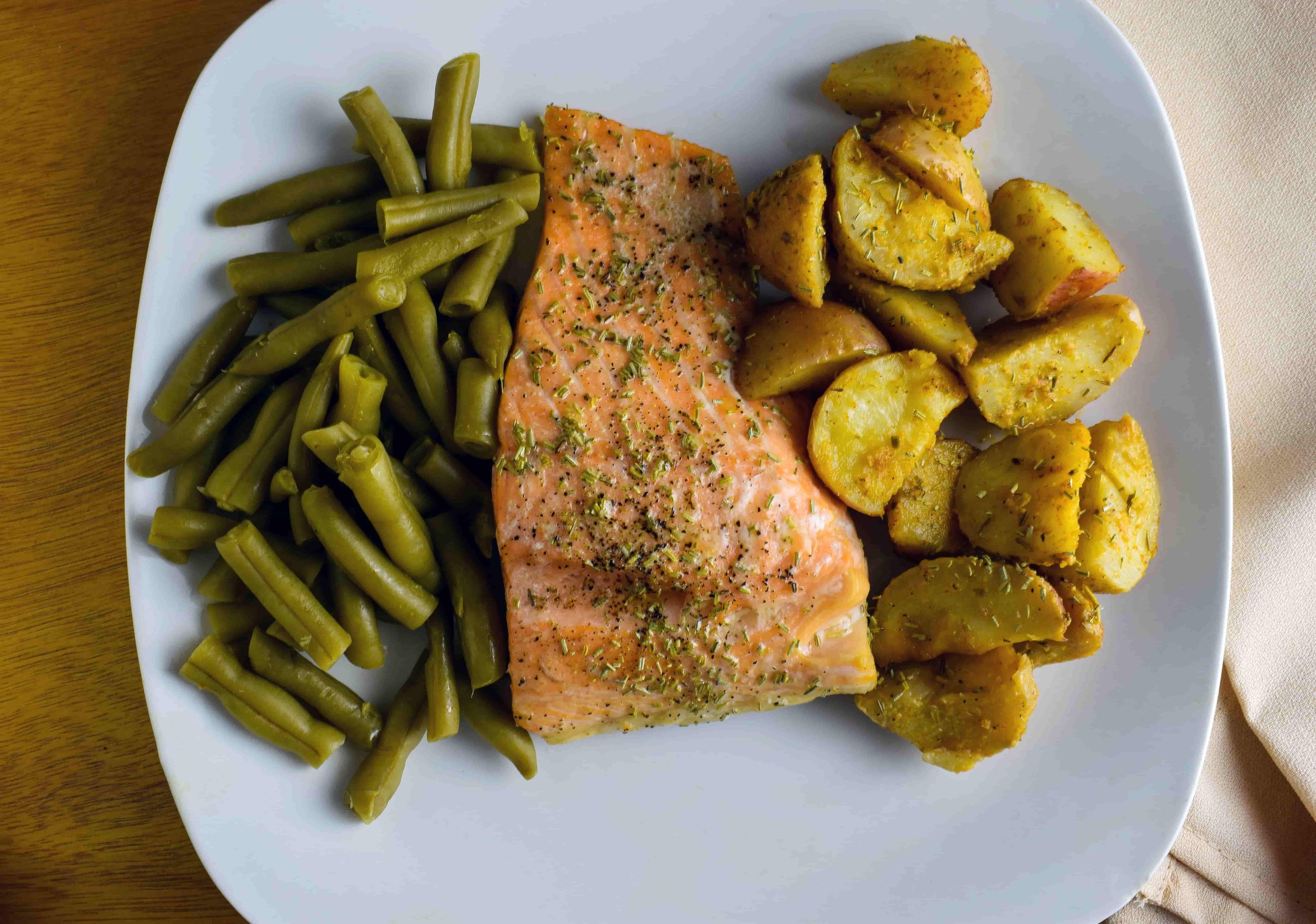
What to Eat More of to Lower Estrogen and Recurrence Risk
Okay, enough about what to limit. I'd much rather spend your energy on what to add, because this is where you have a lot of room to feel good about your plate.
High-fiber foods. Beans, lentils, chickpeas, oats, whole grains, and ground flaxseed. Fiber helps your body clear out used estrogen and keeps your gut bacteria happy. Most of us fall short here, so small steps count, like adding beans to a salad or swapping white rice for farro once or twice a week.
Cruciferous vegetables. Broccoli, cauliflower, kale, Brussels sprouts, cabbage, and bok choy. They contain compounds that affect how your body processes estrogen. Roasting them with olive oil and a little salt makes all the difference if you've only had them steamed and sad.
Omega-3 rich foods. Salmon, sardines, trout, walnuts, chia, and flax. Omega-3s help calm inflammation and support heart health, which matters more than people realize after cancer treatment.
Colorful fruits and vegetables. Berries, citrus, leafy greens, tomatoes, carrots, peppers. The more color on your plate, the wider the range of antioxidants and nutrients you're getting. Frozen counts too, so don't let anyone tell you otherwise.
If you're looking for an easy place to start, check out my ER+ Breast Cancer Grocery Guide: A simple grocery guide built around the eating pattern with the strongest evidence for long-term health after ER+ breast cancer.
What Not to Do After an Estrogen-Positive Diagnosis
I see well-meaning people fall into the same few traps over and over. Here's what I'd gently steer you away from.
Don't cut everything out. When you're scared, it's tempting to eliminate sugar, dairy, soy, meat, gluten, and anything else that shows up in a scary headline. That usually leads to eating too little, losing muscle, and feeling exhausted, especially during treatment when your body needs more fuel, not less.
Don't let fear run your plate. If you feel anxious before every meal or guilty after eating something "wrong," that stress takes a real toll. Food is also supposed to bring you comfort, connection, and enjoyment. That still counts after cancer.
Don't take random supplements from the internet. Anything that claims to "detox estrogen" or "starve cancer" should be a red flag. Talk to your care team first.
Don't try to figure it all out alone. You have enough on your plate (pun intended). Guidance from someone who knows oncology nutrition can save you months of second-guessing.
When to Work With a Dietitian After a Breast Cancer Diagnosis
Plenty of people do fine with general healthy eating advice. But it might be time to get extra support if:
You're overwhelmed by conflicting food advice and don't know who to believe
You've started cutting out foods out of fear and you're eating less than you need
You're losing weight or muscle without meaning to, or gaining weight on hormone therapy and feeling frustrated
You're dealing with treatment side effects that make eating hard
You want a plan that fits your specific diagnosis, treatment, and life, not a generic handout
As a board-certified oncology dietitian, I help clients sort through exactly this. We look at what you're eating now, what the research says for your situation, and what's realistic for your life, and then we build from there. No food rules and no guilt.
If that sounds like what you need, you can learn more about 1:1 nutrition coaching here.
FAQs About Estrogen-Positive Breast Cancer and Food
-
Yes. Research on thousands of breast cancer survivors shows that eating whole soy foods like tofu, edamame, tempeh, and soy milk is safe and linked to a lower risk of recurrence. One to two servings a day is well studied. Skip concentrated soy isoflavone supplements unless your oncologist approves them.
-
No. There isn't strong evidence that you need to cut out dairy with ER+ breast cancer. Some research suggests high-fat dairy may be less helpful than low-fat options, so yogurt, kefir, and milk in reasonable portions are a good fit. Dairy also provides calcium and vitamin D for bone health.
-
Yes. Ground flaxseed contains lignans, a type of plant compound that research suggests may help rather than harm people with breast cancer. A few tablespoons a day added to oatmeal, smoothies, or yogurt is a common and safe amount. Choose ground flax, since whole seeds often pass through undigested.
-
Hormones aren't allowed in chicken or pork raised in the US, so "hormone-free" on those labels is mostly marketing. Beef can come from cattle given hormones, but the amount that ends up in the meat is tiny compared to what your own body makes. How much red and processed meat you eat matters more than the label.
-
No. Sugar doesn't directly "feed" cancer any more than other carbohydrates do, since your body uses glucose to fuel every cell. It's still smart to keep added sugars in check, because a diet high in sweets and sugary drinks can affect weight and insulin levels over time. Enjoying dessert sometimes is completely fine.
Client Story: What Helped Me Feel Confident After an ER+ Diagnosis
“I was so overwhelmed by the unknown of even where to start as far as nutrition. I had always been what I consider a very healthy eater but when I showed up to my first chemo with peppers and hummus I quickly learned I needed some support in how to still feel like I was eating to support my body but also in a way that matched my side effects.
I am more confident in my food choices. I now know what nutritional goals I need meet on most days but I think that biggest shift is realizing that if I have an off meal or an off day I didn't just ruin everything...that nutrition is cumulative and its ok to just let it go every once in awhile”
-Pam, ER+ breast cancer client
Check out additional client stories here.
Want a Food Plan That Supports Your Recovery Without the Fear?
Estrogen-positive breast cancer doesn't mean you have to live on a short list of "safe" foods. The research points to a few things worth limiting, like alcohol, heavily processed foods, lots of red and processed meat, and unregulated supplements. It also gives you plenty of permission. Soy, flax, dairy, and even the occasional cookie can all have a place.
What actually helps is having a plan you trust, so you can stop second-guessing every bite and get back to enjoying your meals. That's where I come in. Here are a few ways to get started:
Want personalized support? In 1:1 nutrition coaching, we'll build a plan around your diagnosis, your treatment, and the foods you actually like.
Want to start in the kitchen? The Nourish & Flourish recipe collection gives you nourishing, cancer-supportive meals you'll want to make again.
Need help grocery shopping? Check out the ER+ Breast Cancer Grocery Guide: A simple grocery guide built around the eating pattern with the strongest evidence for long-term health after ER+ breast cancer.
You've already done the hard part by looking for real answers. Book your call today and let's make food feel like something that works for you again.

Let’s Connect!
Follow along @wellness.cancer.dietitian
Plus stay in the know by signing up for the Wellness Cancer Dietitian Newsletter👉 HERE and get updates, support, and special offers delivered right to your inbox!
